Craftsmanship

From Log to Lick

The five-step process behind every pair of StickFire sticks — and the reason a single pair takes three hours of human attention.

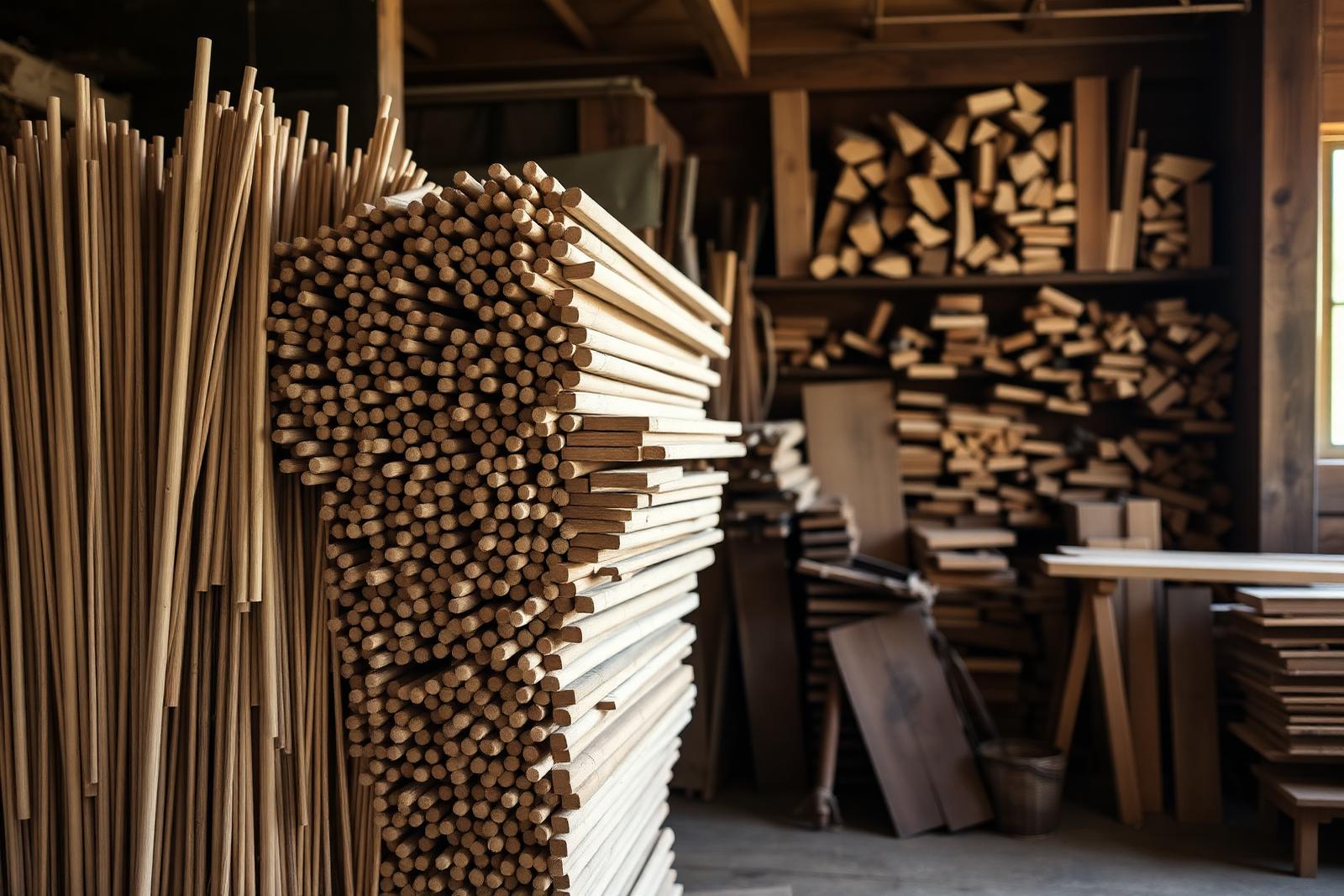
Stacked Appalachian hickory dowels drying in the StickFire workshop
01 — Source

Two Sawyers. One Standard.

All of our hickory comes from a single family-run mill in eastern Tennessee, and our maple from a small operation in Brattleboro, Vermont. Both have been cutting drumstick-grade dowels for decades. We pay above market for the straightest, densest blanks they cut.

Every blank is hand-rejected at the bench before it ever touches a lathe. Roughly one in seven gets thrown back into the firewood pile.
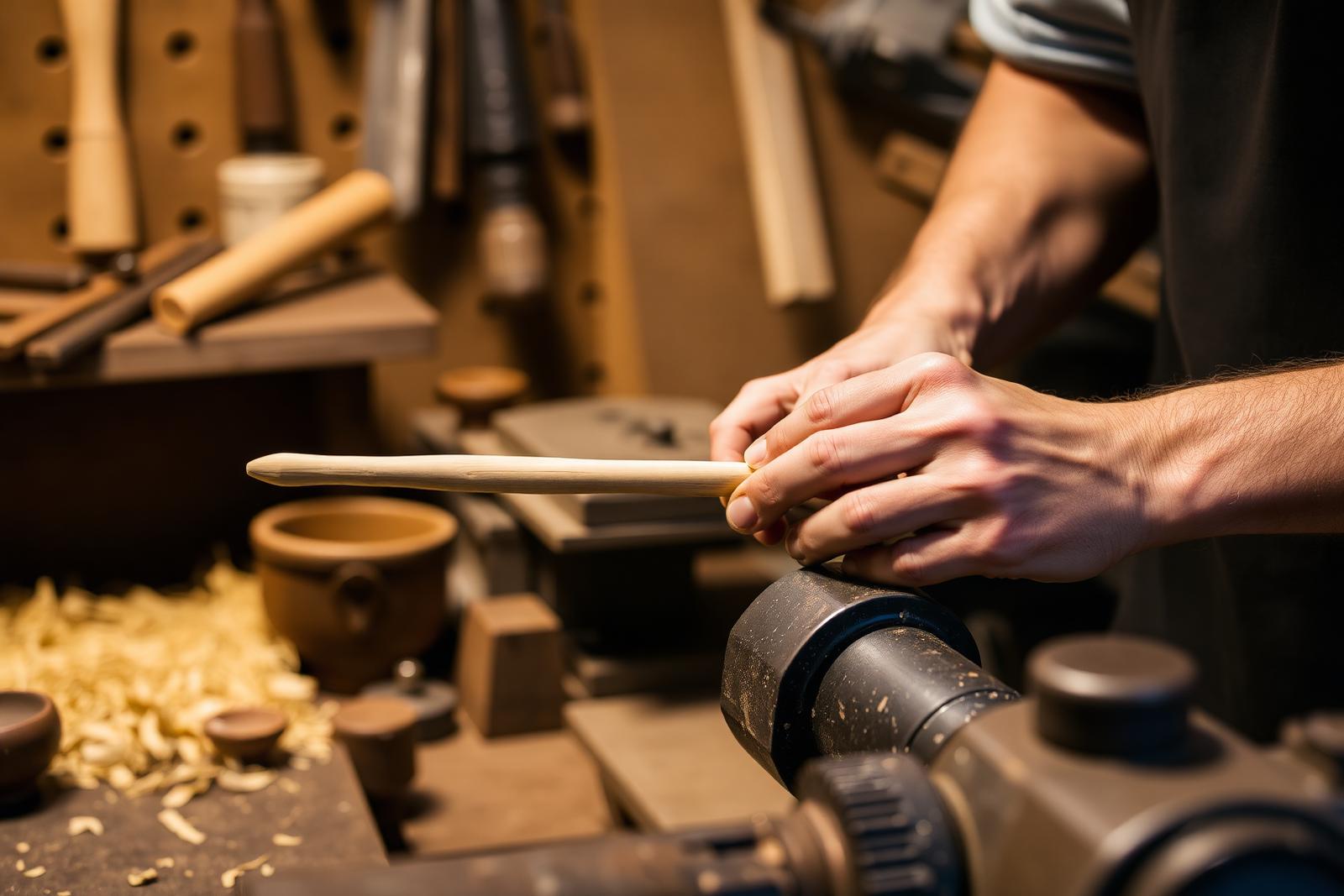
Hands turning a drumstick on a vintage South Bend lathe
02 — Turn

A 1953 South Bend Lathe.

The bones of our turning operation is a single 1953 South Bend lathe that Intranig restored over a winter. Every stick passes across that bed.

After the rough turn, the taper is finished by hand with a card scraper — a slower way that leaves a slightly faceted feel under the fingers.

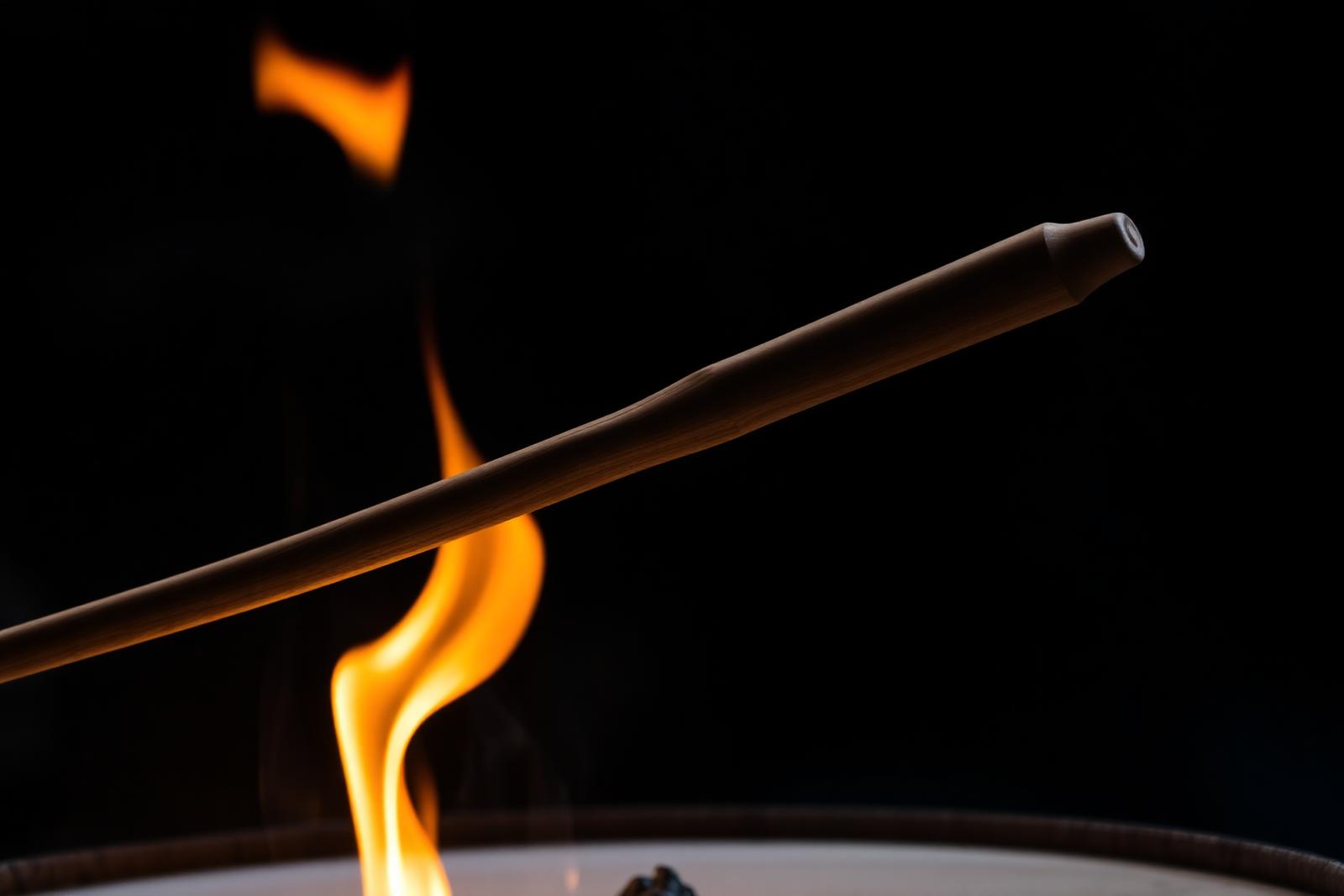
A wooden drumstick being passed through a controlled flame for fire-tempering
03 — Temper

The Fire Step.

Our signature process. Each hickory pair is passed through a controlled propane flame for roughly four seconds. The surface fibers tighten, the grip improves, and the stick gains a slightly darker patina without losing tone.

It's the closest thing we have to a trade secret — and the step that gave the company its name.

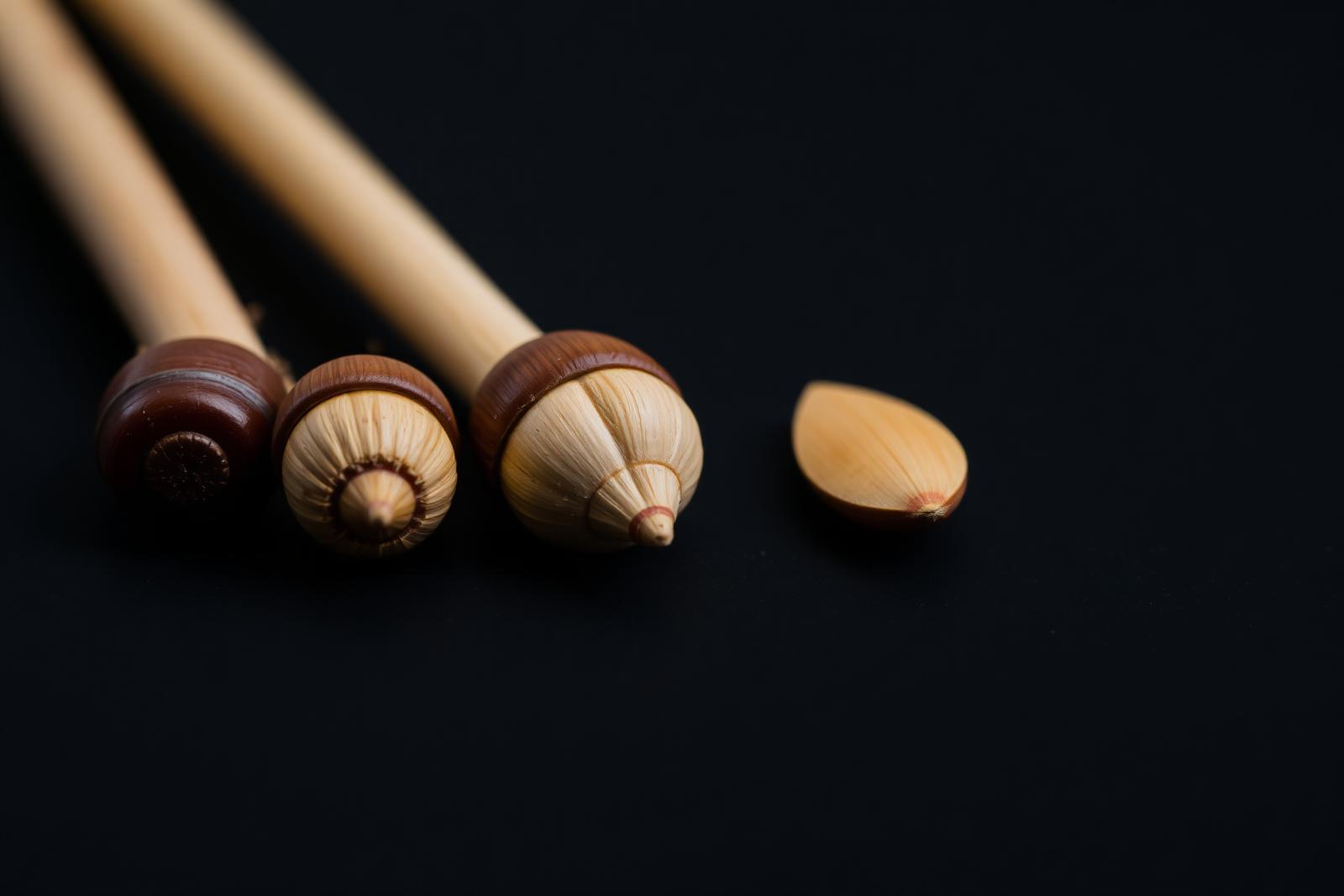
Macro shot of different drumstick tip shapes — oval, acorn, barrel
04 — Balance

±1 Gram. By Hand.

Pairs are weighed on a 0.1g jeweller's scale and matched within a single gram. Then they're pitch-paired by ear — held together at the butt and tapped against a marble slab to check for resonance.

If a pair doesn't sing, it gets re-paired. If a stick doesn't pair with anything, it becomes a single — sold cheap to teachers and students.

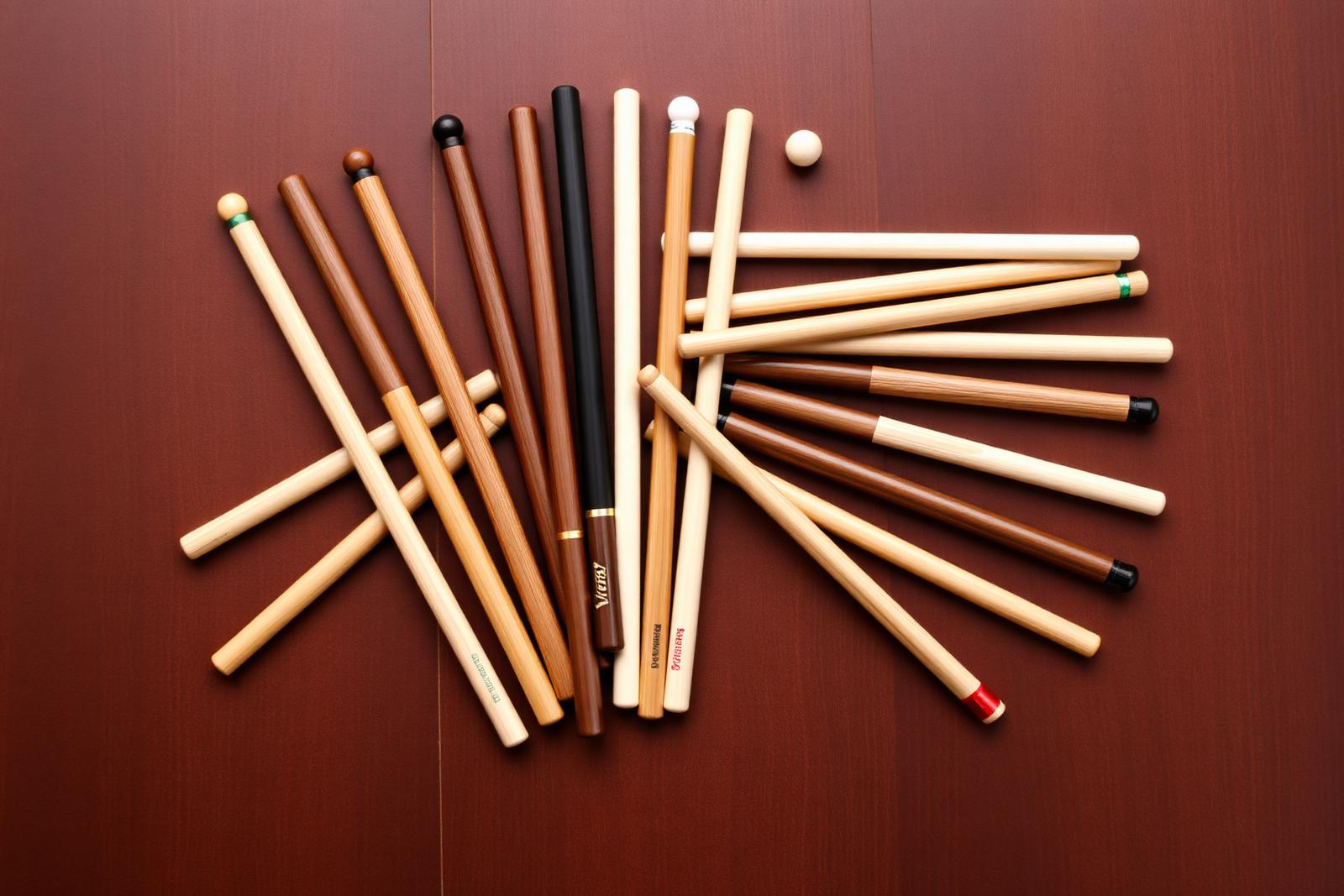
Finished StickFire drumsticks fanned out on a dark walnut surface
05 — Finish

Tung Oil. Hand-Rubbed.

No varnish. No lacquer. Three thin coats of pure tung oil, hand-rubbed in and left to cure for forty-eight hours between coats.

The finish wears in instead of wearing out — and it can be re-oiled at home with a single drop and a soft cloth.

See the finished sticks →